Why The Same Product Name Can Mean Different Formulas
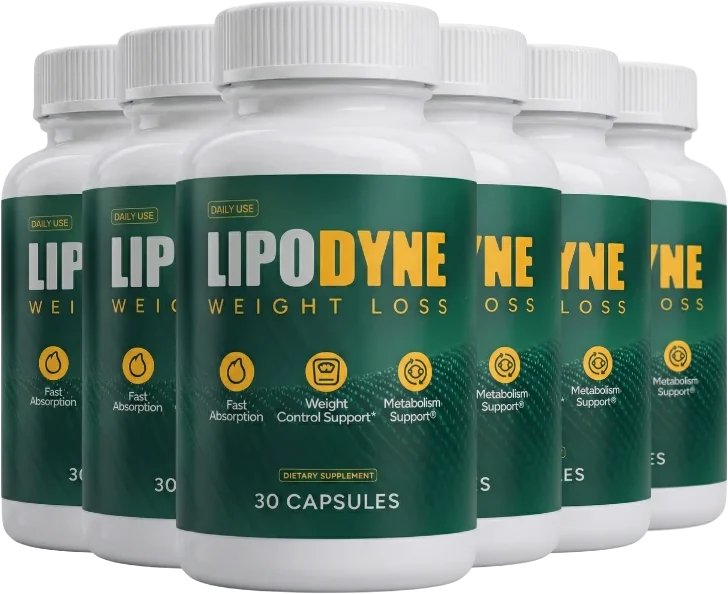
We ran into this ourselves while researching Lipodyne: multiple sellers, multiple formulas, one shared name. It's a genuinely common pattern worth understanding.
Here's why this happens in the supplement industry, and what it means for you as a shopper.
How this happens
Supplement brand names aren't always exclusively trademarked and enforced the way pharmaceutical names are. Multiple manufacturers or resellers can end up using similar or identical names, sometimes coincidentally, sometimes through white-labeling arrangements where a base formula gets rebranded by different sellers, and sometimes through more deliberate copying of a popular product's branding.
What this looked like in our research
Searching for Lipodyne's ingredients turned up at least two meaningfully different lists from different sellers, alongside the manufacturer's own marketing description, which doesn't itself specify ingredients in detail. We couldn't confidently match any single external source to the specific product shown in the official marketing images.
What this means for you as a shopper
When you search for a supplement and find conflicting ingredient information, treat that as a signal to go directly to the primary source: the Supplement Facts panel on the actual bottle, or the official manufacturer's product page, rather than trusting the first search result you find.
A practical checklist
Before ordering any supplement where you've seen conflicting information: check the official product page directly, look for a photo of the actual Supplement Facts panel, and if you have allergies or take medication, consider confirming with a pharmacist once the product arrives, before your first dose.
Where this leaves Lipodyne
We've built our ingredients page around this exact situation, directing you to your own label rather than presenting an unverified list as fact.