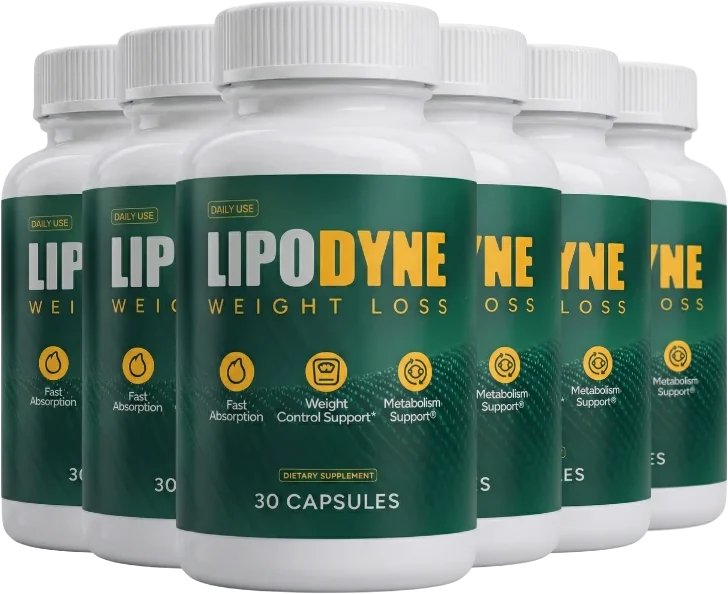
How To Read A Weight-Loss Supplement Label
A supplement label tells you more than the marketing copy around it, if you know which things to actually check.
Four fast checks that take under two minutes and tell you more than most sales pages will.
Check 1: does the label match the marketing?
If a website makes specific claims, check whether the physical label backs them up with actual named ingredients and amounts, not just supportive-sounding language.
Check 2: disease claims or structure-function language?
By law, a dietary supplement cannot claim to diagnose, treat, cure or prevent a disease like obesity. Language like 'supports weight management goals' is what the law allows honest supplements to say, a product claiming to 'cure obesity' is a serious warning sign.
Check 3: is the brand name genuinely unique online?
Search the product name plus 'ingredients' before ordering. If you find multiple, meaningfully different answers, that's worth noting, it may mean multiple products share a similar name, and you should verify against your actual label once it arrives.
Check 4: is the guarantee real?
A genuine money-back guarantee, with a clearly stated window and a real refund process, signals a company willing to stand behind its product.
Applying this to Lipodyne
We found a real naming-conflict situation with Lipodyne during our own research, see why the same product name can mean different formulas for the full story, and why we're directing you to your own label rather than guessing.